Games in this genre are retired regularly, and the process is orderly enough that the warning signs are visible months ahead. Knowing what sunset means for progress and purchases is worth understanding before it applies to a game you play.
Three different endings
- Delisting. The game is removed from the store but keeps running for people who already have it. New players cannot install it; existing ones carry on, sometimes for years.
- Sunset. The servers are switched off on an announced date. Anything needing a connection stops, which in most modern titles means the game stops entirely.
- Abandonment. No announcement, no updates, and eventually an operating system change breaks it. The most common ending and the least tidy.
The distinction matters, because only the second usually comes with notice, a wind-down period and a statement about purchases.
The warning signs
They are consistent across the industry and visible long before an announcement.
- Updates slow from monthly to quarterly, then stop except for compatibility fixes.
- New content becomes recycled: the same events on rotation with different colours.
- The in-game shop starts discounting heavily, which is usually a sign of harvesting rather than growth.
- The community channels go quiet from the studio's side, with community managers no longer replying.
- The game disappears from the store in some countries before others.


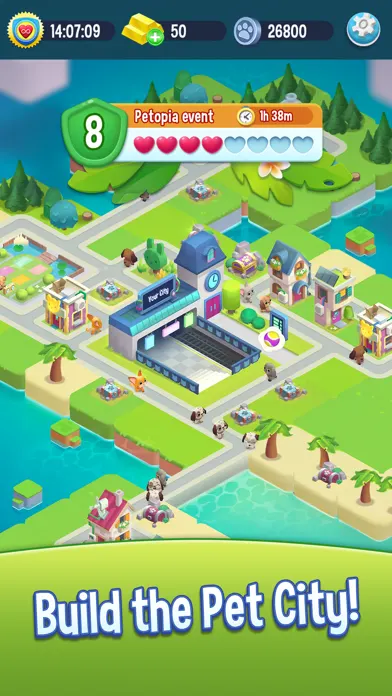
The practical rule: treat any purchase in a mobile game as spending on the current period rather than acquiring a lasting asset. That is not cynicism, it is an accurate description of what you are buying, and it makes the size of a purchase easier to judge.
What happens to purchases
Consumables such as coins, lives and boosters are gone when the service stops, and there is generally nothing to be done about that: they were consumed as intended while the game ran.
Non-consumables are more interesting. A permanent ad removal or a permanent unlock was sold as permanent, and a service ending shortly after selling it raises a fair question. Responsible studios usually stop selling anything in the final months for precisely this reason, and some offer goodwill refunds on recent purchases.
Where New Zealand law sits
A purchase inside a game is a supply to a consumer, and the Consumer Guarantees Act 1993 applies to services supplied to consumers in New Zealand. Services must be carried out with reasonable care and skill and be fit for their stated purpose. Selling something described as permanent shortly before switching off the service it depends on is at least arguable under that, and under the Fair Trading Act 1986 if the description was misleading.
In practice the route is the store rather than the studio, since Google or Apple took the payment and handle refunds, and both have discretion to refund outside their normal windows where a service has ended. The Disputes Tribunal exists for small consumer claims in New Zealand and does not require a lawyer, though for the sums usually involved most people reasonably decide it is not worth the afternoon.
Protecting yourself in advance
- Keep receipts for anything permanent. They are the only evidence a purchase existed once the game is gone.
- Do not stockpile currency in a game showing wind-down signs. Buying a large bundle to use later is exactly the wrong move at that point.
- Screenshot progress you care about. It has no legal weight but it is the only thing that survives, and for most people the attachment is to the record rather than the account.
- Check whether an offline mode exists. A game that plays offline may keep working indefinitely after sunset, which occasionally makes the difference between losing a hobby and keeping it.
The reasonable attitude
Every online game ends, and a well-run genre would say so plainly at the point of sale rather than in a blog post at the end. Since it does not, the useful position is to enjoy these games as services with an unknown end date and to size purchases accordingly. That is not a reason to avoid spending on something you use daily; it is a reason to spend the way you would on a subscription rather than the way you would on a possession.