Improvement in these games is usually accidental: play enough levels and something sinks in. Deliberate practice is faster, and it works here for the same reason it works anywhere, by isolating the decision that matters and repeating just that.
Why playing more is slow
A level contains twenty or thirty moves, of which perhaps three mattered. Play a hundred levels and you have made three thousand decisions, received feedback on the outcome of the level as a whole, and had no way to tell which of the three thousand were the good ones.
That is the definition of practice without feedback, and it produces improvement roughly as slowly as it sounds. The fix is not to play more; it is to make the important decisions visible so they can be evaluated separately.
The three decisions that actually matter
- Where to open. The first two moves set up everything after them, and most players spend them on whatever match they noticed first.
- When to spend a special. Firing on creation versus saving for a combination is worth more than any other single habit.
- When to stop. Recognising a lost level early and restarting rather than playing it out.
Everything else in a level is roughly automatic once these three are right, which is why drilling them individually pays so much better than playing whole levels.
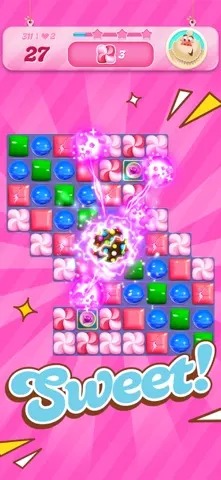

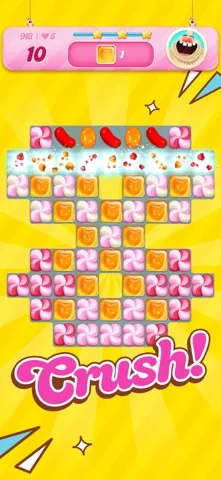
All three drills share one rule: say the decision out loud, or in your head in words, before making it. Unspoken decisions cannot be reviewed, because you will not remember what you were thinking by the end of the level.
Drill one: the announced opening
For the next twenty levels, before your first move, name the match you are going to make and the reason in one sentence. Then make it. Two sentences are cheating; if it takes two, the reason is not clear enough to be worth having.
Within a session you will notice how often the reason is a version of it was the first thing I saw. That noticing is the entire point of the drill, and it changes the opening more than any amount of advice about clearing low.
Drill two: the delayed special
Whenever a special tile appears, leave it. Do not fire it, do not build around it, simply leave it and keep playing normally for two moves. Then look at what it is worth: is there a second special near it, has it moved somewhere useful, has the board changed around it.
Most players discover within a few levels that the special was worth substantially more two moves later, and a few discover that on their particular game it was not. Both outcomes are useful, and neither is available without the deliberate delay.
Drill three: the halfway prediction
At the midpoint of every level, say whether you expect to win, and then finish the level and see. This is the cheapest calibration exercise available: after twenty levels you will have twenty predictions and twenty outcomes, and the gap between them is worth more than any tactical tip.
Players are usually far too optimistic, and the reason matters. Losing levels feels like bad luck at the end, when in fact it was visible at the middle. Once the prediction becomes accurate, restarting early becomes easy, and that alone recovers a great deal of time and quite a few lives.
Reviewing a loss so it teaches something
After a failed level, one question is enough: which single move would I take back. Not what went wrong generally, one specific move. The specificity forces an actual answer, and the answer is almost always in the first third of the level rather than the last.
This runs against the instinct, which is to blame the final two moves because they are the ones you remember. They are rarely the cause; by then the level was already decided.
How long this takes
A drill session is twenty levels, which is perhaps forty minutes. Three sessions on the opening drill, three on the special, three on prediction, spread over a fortnight and mixed with ordinary play. That is enough for the habits to become automatic, at which point they stop being drills and just become how you play.
It is a small amount of deliberate attention against a hobby that people otherwise pour hundreds of hours into, and the difference in results is not subtle.